
One-on-One Coaching
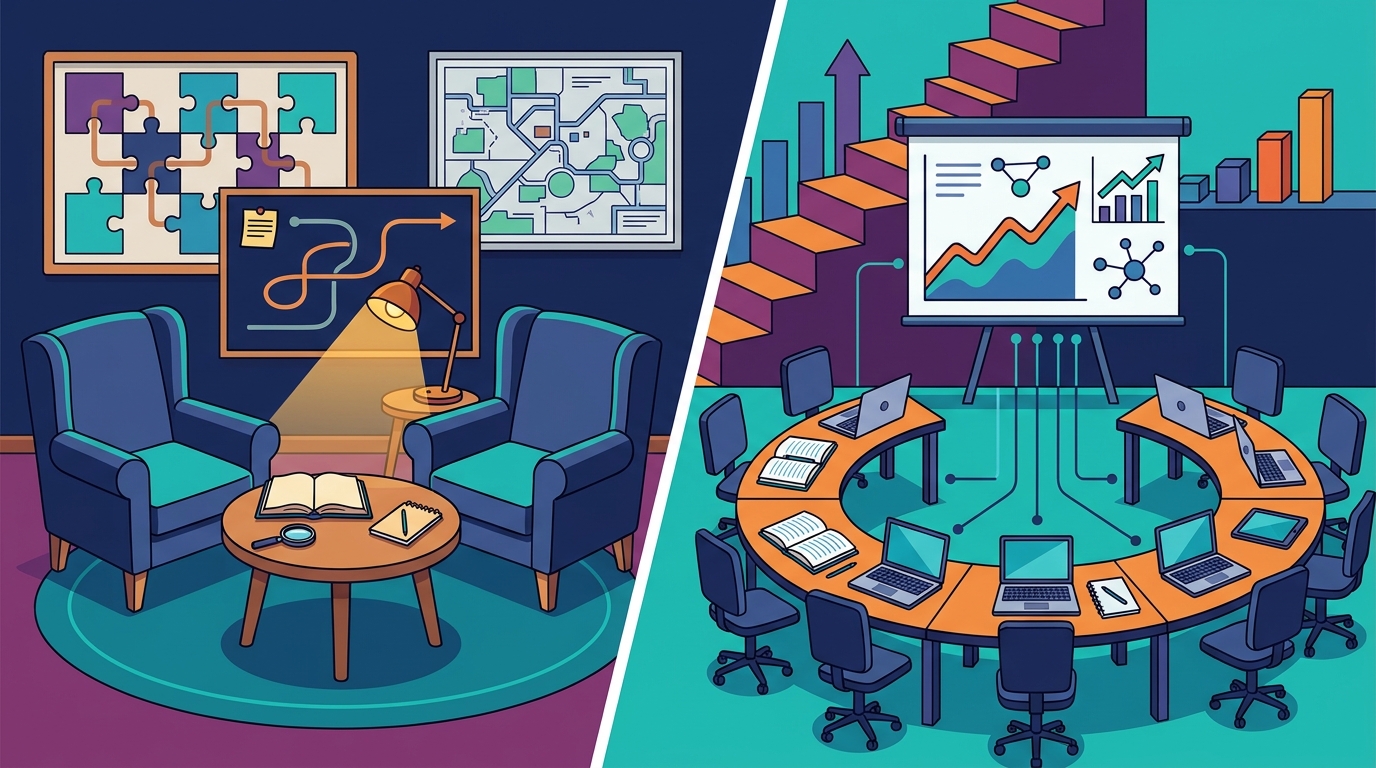
One-on-one coaching is a service delivery model where a coach works exclusively with a single client at a time. This approach provides the highest level of personalization and accountability. Clients receive tailored strategies that address their specific challenges in real-time. The relationship is intense and often leads to faster individual results.
Strengths of Individual Coaching
The primary advantage of one-on-one coaching is the depth of the client relationship. You can adapt your teaching style to the client's learning preferences. This flexibility allows for immediate feedback and course correction. High-ticket clients often prefer this model because they feel they are getting a premium, bespoke experience.
Limits of Individual Coaching
Who It Suits
One-on-one coaching suits coaches who are just starting out or those who specialize in high-complexity niches. It is ideal for building initial credibility and collecting testimonials. However, it is not a sustainable long-term strategy for most coaches who want to build a scalable business.
Group Programs
A group program is a structured curriculum delivered to a cohort of clients simultaneously. This model allows you to teach the same core content to multiple people at once. You can use live calls, video libraries, and community forums to support the group. The key is standardizing the delivery while allowing for some individual support.
Strengths of Group Programs
Limits of Group Programs
The main challenge is managing the varying needs of a group. Some clients may need more attention than others, which can be difficult in a group setting. You must create robust support systems, such as community managers or teaching assistants, to handle individual questions. The sales process for group programs is also different and requires a different marketing approach.
Who It Suits
Group programs suit coaches who have a proven methodology and a solid client base. They are ideal for coaches who want to scale their revenue and build a team. If you have a clear framework for achieving results, a group program is the natural next step in your business growth.
Hybrid Models
A hybrid model combines elements of both one-on-one and group coaching. This approach often involves a core group program with optional one-on-one sessions for clients who need extra support. This allows you to scale the core delivery while offering a premium tier for high-value clients. It provides flexibility for both the coach and the client.
Strengths of Hybrid Models
Limits of Hybrid Models
Hybrid models require more complex operations. You need to manage two different delivery systems and pricing structures. This can increase the administrative burden and require more staff. However, for established coaches, this complexity is often manageable and worth the revenue increase.
Who It Suits
Hybrid models suit established coaches who have already mastered both one-on-one and group delivery. They are ideal for coaches who want to maximize their revenue potential while maintaining high client satisfaction. This model is often the end goal for many successful coaching businesses.
Comparison Table
| Criteria | One-on-One Coaching | Group Programs | Hybrid Models |
|---|---|---|---|
| Scalability | Low | High | Medium to High |
| Revenue Potential | Capped by hours | Uncapped by hours | High |
| Client Personalization | Very High | Low to Medium | Medium to High |
| Operational Complexity | Low | Medium | High |
| Best For | Starting out | Scaling | Established Coaches |
Decision Guide
Choose One-on-One If
Choose one-on-one coaching if you are just starting your business and need to build your portfolio. It is also the right choice if your niche requires highly customized solutions that cannot be standardized. If you are not ready to hire staff or build systems, one-on-one is the safest starting point.
Choose Group Programs If
Choose group programs if you have a proven methodology and want to scale your revenue. It is the right choice if you are ready to build a team and create systems. If you are hitting a revenue ceiling with one-on-one coaching, a group program is the logical next step.
Choose Hybrid If
Choose a hybrid model if you have mastered both one-on-one and group delivery. It is the right choice if you want to maximize your revenue while maintaining high client satisfaction. If you have the operational capacity to manage two delivery systems, a hybrid model is the most profitable option.
Frequently Asked Questions
Can I switch from one-on-one to group coaching?
Yes, you can switch from one-on-one to group coaching. Many coaches make this transition as they scale. You can start by offering a group program alongside your one-on-one services. This allows you to test the group model without losing your existing clients. It is a gradual and manageable transition.
How do I price a group program?
Do I need to hire staff for a group program?
You do not necessarily need to hire staff for a group program, but it can help. You can manage the program yourself if you have the time and energy. However, as the group grows, you may need to hire a community manager or teaching assistant. This helps you manage the administrative burden and focus on teaching.
What is the best way to market a group program?
How does Virtual Income School help with this transition?
Virtual Income School helps coaches build the systems and strategies needed to transition from one-on-one to group coaching. We provide training on how to create a scalable offer, build a lead generation system, and manage a group program. Our approach is designed to help you scale your business without sacrificing quality or client satisfaction.